Navigating the Path to Wellness: Essential Insights into Cancer Care and Survivor Support
When the word 'cancer' enters the conversation, the atmosphere often thickens with anxiety and uncertainty. It's a diagnosis that can throw not just an individual but an entire family into disarray. However, what if we viewed this tumultuous journey as a path to wellness—a path filled with effective cancer management strategies that can make all the difference? Let's embark on this exploration to unveil the secrets of managing cancer, ensuring patients and survivors alike not only navigate the complexities of their illness but also emerge with renewed strength and insight.
Cancer care doesn’t begin and end with clinical trials or medical breakthroughs; it's a holistic journey that spans from the moment of diagnosis to survivorship. The first step toward effective cancer management is education. Knowledge is power, and educating yourself about your illness—be it the symptoms, the types of tumors, or the latest treatment options—can ease the burden of uncertainty. Just consider this: Did you know that 1 in 2 men and 1 in 3 women develop cancer in their lifetimes? Awareness campaigns have significantly increased public knowledge about risk factors and screening processes, which can lead to early detection and a higher chance of remission.
When it comes to cancer therapy, one size does not fit all. With an array of treatment strategies available—such as immunotherapy, chemotherapy, and radiation therapy—navigating the options can feel like embarking on a daunting road trip without a map. But here’s where your healthcare team comes into play. Building strong, open lines of communication with oncology experts can empower you to make informed decisions that align with your individual needs. Remember, the goal is not merely to fight disease but to improve your overall quality of life. As renowned oncologist Dr. Paul Kalanithi once said, 'Even if you have the best treatment, if you don’t have hope, you can’t thrive.'
Lifestyle changes are often touted as the unsung heroes of cancer survivor support. Implementing wellness strategies like nutrition, physical activity, and mindfulness can complement clinical treatment options and have a significant impact on recovery. Simple health tips—such as maintaining a balanced diet rich in fruits, veggies, and whole grains—can serve as a foundation for cultivating a healthier lifestyle. Which of these strategies can you integrate into your daily routine? Because every little change counts toward not just surviving but thriving in your post-diagnosis life.
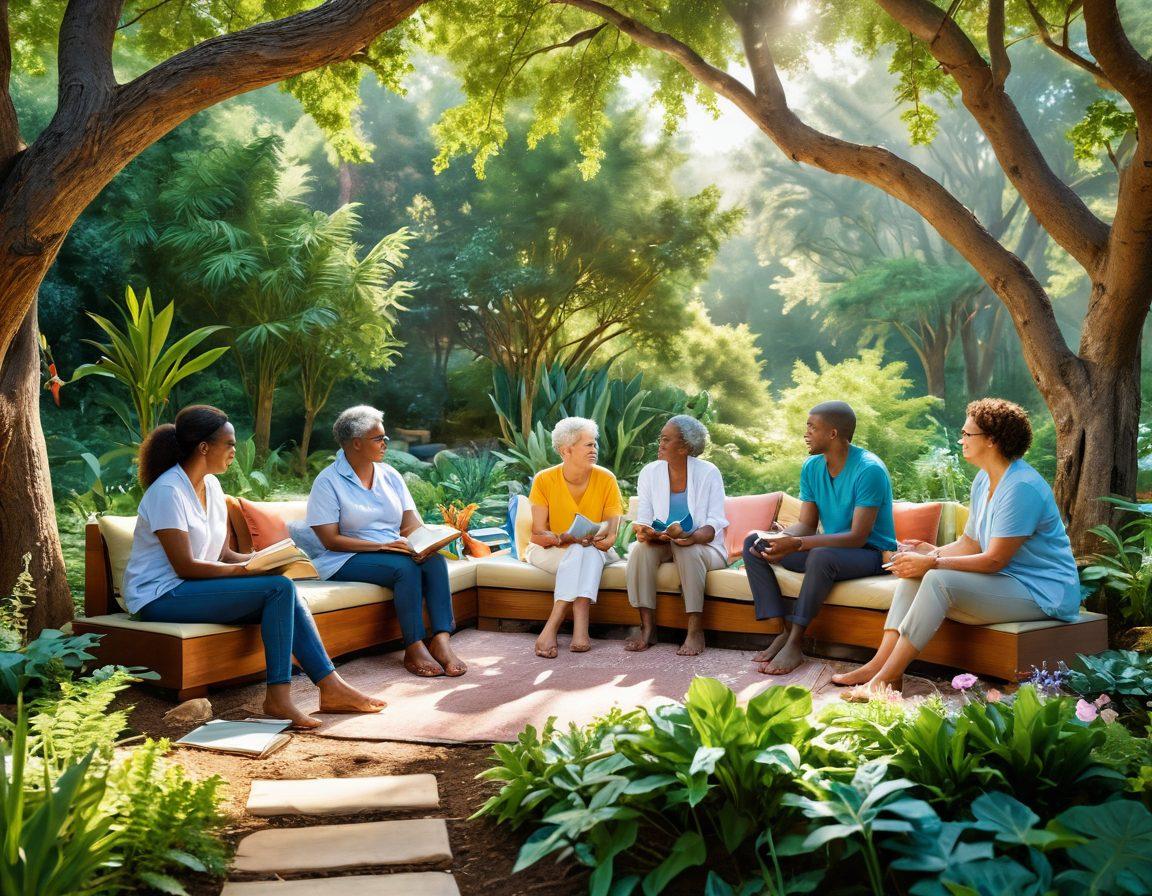
Lastly, don't overlook the power of community. Patient support can take many forms, whether through groups that share emotional support or resources that advocate for your needs. Engaging with others who understand your journey can provide not just companionship but invaluable insights into what has worked for them. Additionally, rehabilitation programs and alternative medicine options—like acupuncture or yoga—can offer restorative practices that enhance your emotional well-being. Remember, while the path to wellness may be riddled with challenges, it can also be illuminated with opportunities for growth and empowerment. So, what steps will you take today to embrace your journey toward well-being?
Empowering Wellness Through Knowledge: Your Guide to Cancer Care and Community Resources
Navigating the tumultuous waters of cancer care can often feel like sailing a ship in uncharted territory. As we face the truths of illness and disease, the journey may seem daunting and overwhelming. But what if we told you that empowered knowledge could serve as your compass? Understanding oncology, preventive measures, treatment options, and community resources not only illuminates the path ahead but also builds a robust foundation for your wellness journey. So, grab your life jacket and let’s explore this essential guide together. What if the key to turning fear into strength lies within the insights we uncover along the way?
Awareness campaigns and health education are vital tools in our battle against cancer. They bring to light the importance of early diagnosis, regular screening, and recognizing symptoms early on. Did you know that many diseases and illnesses can be less invasive if caught at an earlier stage? The statistics speak for themselves; increased awareness can result in higher survival rates. Engaging in community support programs not only aids your journey but also fosters a collective strength among survivors who often share similar experiences and insights. How can learning about risk factors and available resources help you navigate your own health care effectively?
As you delve deeper into the world of cancer care, you’ll discover a treasure trove of treatment strategies ranging from traditional options like chemotherapy and radiation therapy to groundbreaking approaches like immunotherapy and alternative medicine. Medical breakthroughs continue to reshape how we view treatment options, enlightening the path of survivorship. For instance, clinical trials often serve as vital resources, offering access to cutting-edge therapies that might not yet be available in standard practice. Have you considered how your choices can impact your long-term wellness? Engage in discussions with your healthcare provider to personalize your therapy!
However, the battle doesn’t end once treatment concludes. Survivorship is a chapter filled with potential, and understanding what comes next is essential. Holistic approaches to wellness combine nutrition, rehabilitation, and emotional support, creating a comprehensive plan for life after treatment. Daily lifestyle changes can significantly impact recovery and long-term health. Active engagement with patient support groups can provide invaluable emotional reinforcement. Have you thought about how cultivating these new habits can promote not just recovery, but a flourishing life post-diagnosis?
In conclusion, the journey through cancer care is nuanced and unique for each individual. Your insight into the resources, advocacy efforts, and scientific studies will go a long way in transforming both your health and perception of wellness. Whether it’s developing health tips to enhance your daily regimen, exploring community resources, or understanding the emotional aspects of your journey, remember that knowledge breeds empowerment. Embrace your story; after all, your strength lies in your ability to navigate this path with courage and resilience. Are you ready to take our hand and embark on this empowering journey into wellness?
Exploring Innovative Treatment Options and Support Systems in the Journey to Cancer Recovery
In today's rapidly evolving landscape of cancer care, the journey toward wellness is more than just a medical endeavor—it's a holistic experience that encompasses innovative treatment options and robust support systems. The statistics are sobering: almost 1 in 2 men and 1 in 3 women will receive a cancer diagnosis in their lifetime. However, these figures also highlight a critical opportunity for intervention, awareness, and community support. With advancements in oncology, patients are not only surviving cancer but thriving afterward. So, how do we navigate these waters? Let’s uncover the transformative pathways available in the world of cancer recovery.
Imagine standing at a crossroads, where one path leads to traditional treatments like chemotherapy and radiation therapy, while the other opens up a world of alternative medicine and immunotherapy. These decisions can feel daunting, especially in the wake of a diagnosis. However, knowing the array of treatment options available can instill a sense of empowerment. Medical breakthroughs emanating from clinical trials often pave the way for new therapies, offering hope to patients when conventional treatment may not suffice. Whether it is the cutting-edge approach of targeted therapies or promising studies in gene therapy, staying informed and advocating for comprehensive cancer care can make a significant difference in one’s treatment journey.
But the journey isn’t solitary. Emotional support is crucial, and patient resources abound. From community support groups to specialized health education workshops, cancer care now emphasizes the importance of strong support networks. Remember the poignant words of Maya Angelou: "I can be changed by what happens to me. But I refuse to be reduced by it." This sentiment reflects the spirit of survivorship—finding strength in vulnerability and forging connections with others who understand the nuances of the illness. How can we cultivate these connections and foster an environment where sharing experiences leads to healing?
Integrating lifestyle changes is also a pivotal aspect of cancer recovery. It’s not merely about surviving; it’s about thriving. Embracing nutritional changes, prioritizing physical rehabilitation, and exploring holistic approaches can enhance the quality of life for cancer survivors. Additionally, proactive were preventive measures such as regular screening and lifestyle adjustments can significantly reduce the risk factors associated with various types of tumors. Engaging with resources that promote health tips and wellness strategies becomes more than just a recommendation—it’s an empowering call to action that can lead individuals toward a healthier future.
As we explore the landscape of cancer care, let’s not forget that advocacy plays a crucial role. Awareness campaigns dedicated to educating the public can de-stigmatize the conversation around cancer and encourage timely diagnoses. Empowering oneself through education—whether it's understanding symptoms, exploring palliative care options, or learning about emerging treatment strategies—can be the key to navigating this journey successfully. Together, we can provide the solidarity and strength necessary for individuals facing this illness. After all, wellness in the face of disease isn’t just about treatment; it’s about building a life worth living beyond the diagnosis.